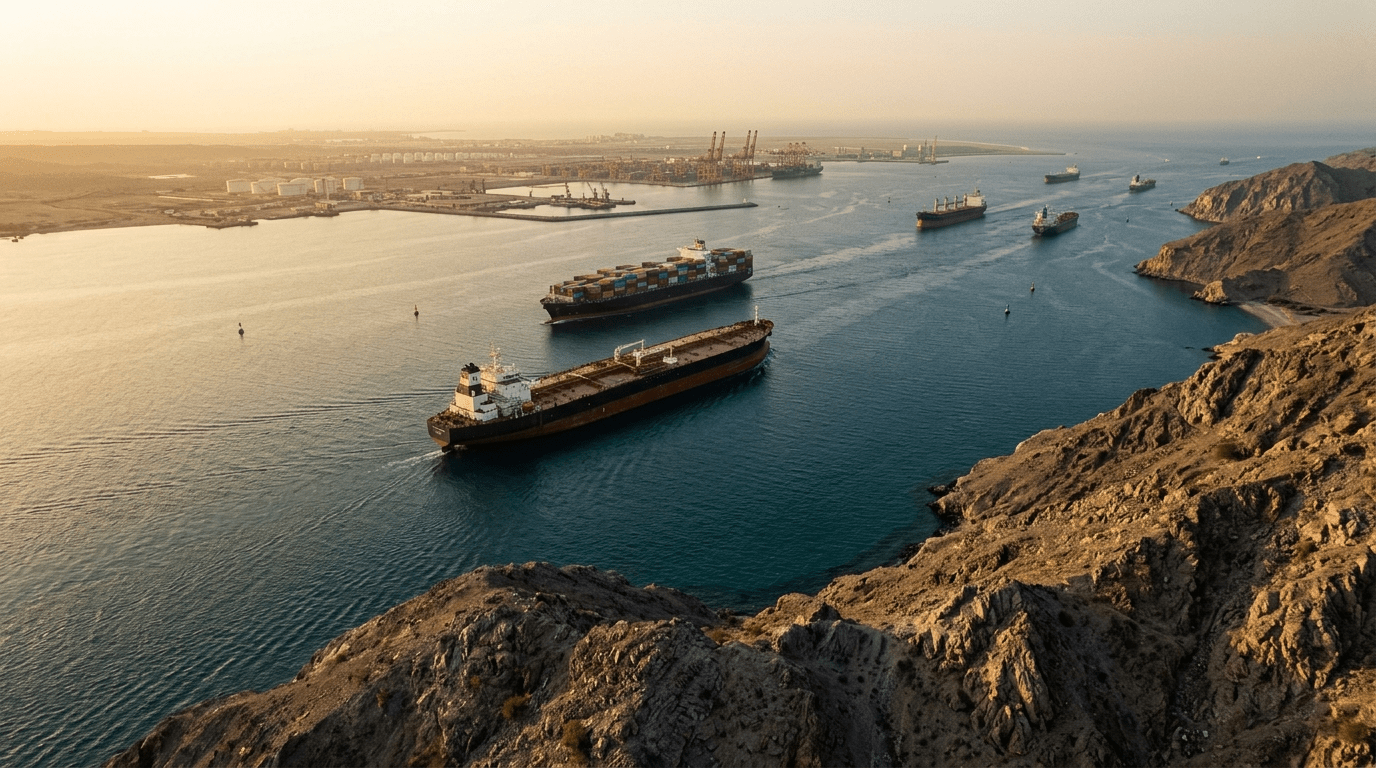
Physical Currency Confirmed for Strait Passage Fees
Tehran’s central bank has verified that maritime transit charges collected from vessels navigating the strategic waterway were deposited in traditional cash form, dismissing earlier speculation about cryptocurrency involvement.
The financial institution released a statement clarifying that all incoming funds were received as physical money, contradicting media reports suggesting digital assets like Bitcoin might be accepted. Officials declined to specify which national currency was used for the transactions.
Legislative Framework Established
Parliamentary authorities recently approved moving forward with comprehensive legislation addressing sovereign control over the maritime passage. The proposed regulations mandate that all commercial vessels submit documentation and secure advance authorization before transit.
Under the new legal structure, fees must be paid in the national currency. The exact amounts collected during the initial deposit remain undisclosed, though sources indicate pricing varies based on cargo characteristics, vessel size, and operational risk factors.
Fee Structure and Estimates
Industry observers suggest the following approximate charges:
- Standard oil tankers: roughly one dollar per barrel
- Very large crude carriers: potentially reaching two million dollars per passage
- Rates adjusted according to cargo type and voyage complexity
Origins of the Toll System
The fee collection mechanism emerged following late February events when regional tensions led to temporary closure of the strategic channel. Rather than maintaining a complete blockade, authorities shifted to a selective access model, implementing what they term “security service charges” to monetize oversight operations.
Allied nations receive preferential treatment under this arrangement. A diplomatic representative confirmed that exemptions currently apply to friendly countries, particularly Russia, though future policy adjustments remain possible depending on geopolitical developments.
The central bank’s treasury department now holds these initial revenues in a consolidated account, marking the beginning of a controversial revenue stream that has drawn international attention and raised questions about freedom of navigation in one of the world’s most vital oil shipping routes.