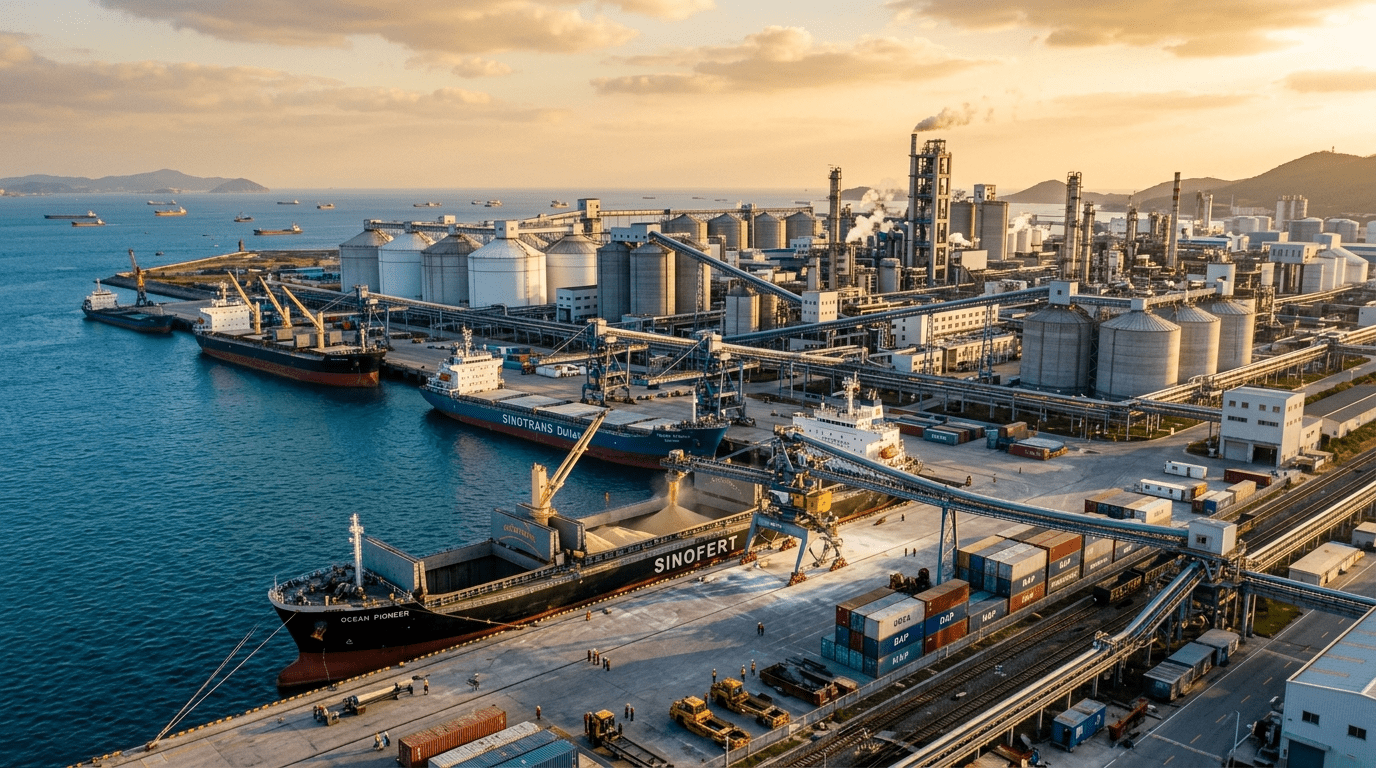
China’s Growing Dominance in Agricultural Chemical Supply Chains
As maritime routes through the Strait of Hormuz face disruptions, Chinese fertilizer products have surged dramatically in market value. The ongoing Middle Eastern conflict has highlighted Beijing’s strategic position in the global agricultural supply network.
China controls roughly one-third of worldwide fertilizer manufacturing and an even larger share—approximately 70%—of raw materials used in chemical pesticides. With the Hormuz waterway blocked, which previously handled a third of seaborne fertilizer shipments, Chinese suppliers now hold unprecedented leverage.
“Beijing’s grip on international agricultural markets has strengthened considerably,” noted supply chain specialists analyzing the situation.
Strategic Export Management
While avoiding formal export bans, Chinese authorities have tightened inspection protocols and implemented quota systems for key products like urea and phosphate compounds to ensure domestic availability. March export figures for compound fertilizers showed a dramatic 90% year-over-year decline.
This “quiet control” strategy poses significant risks to nations heavily dependent on Chinese phosphate imports, particularly agricultural economies. Brazil absorbs approximately two-thirds of China’s phosphate fertilizer exports, while Indonesia, Australia, Pakistan, and Myanmar collectively account for another quarter. Any supply disruption would severely impact these regions.
Global Price Impacts and Market Response
Certain nitrogen-based fertilizers have experienced 30-50% price increases since conflict erupted. Urea now trades around $700 per ton—a 30-40% jump from pre-war levels. Analysts warn that if Beijing maintains export restrictions through August on phosphates and urea, supply shortages will intensify further.
Farmers and governments worldwide are scrambling for alternatives. American producers are shifting from corn to soybeans, which require less nitrogen. In Argentina, some growers have switched from wheat cultivation to barley and oats to cope with escalating fertilizer costs.
The crisis has effectively given China another strategic bottleneck in global trade—adding agricultural chemicals to its existing control over rare earth elements.