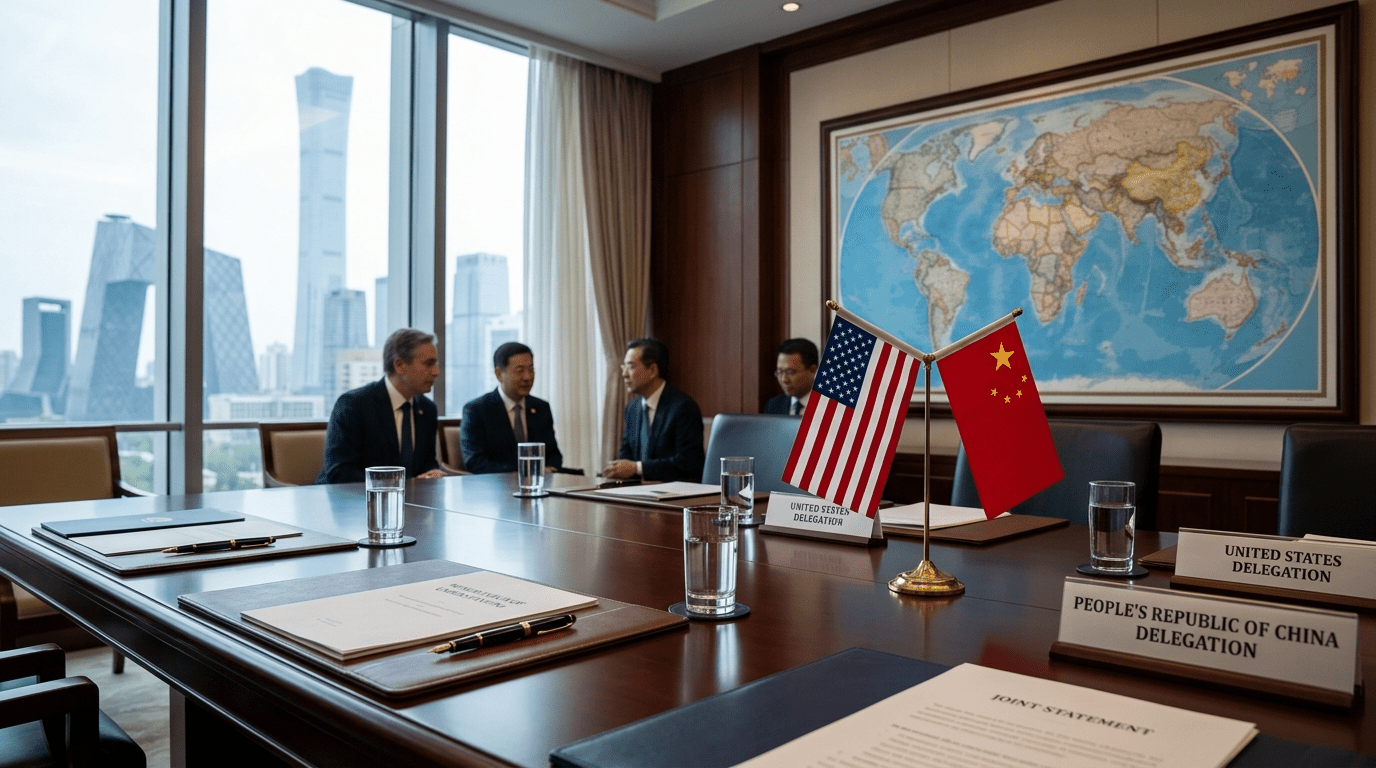
Growing Uncertainty Around Planned Presidential Visit
As the Middle Eastern conflict drags on with no clear resolution, questions are mounting about whether the upcoming presidential trip to Beijing will proceed as scheduled for next month. The prolonged warfare is creating diplomatic and economic pressures that could potentially disrupt the travel plans once again.
According to reporting from Hong Kong media, the collapse of ceasefire negotiations and last-minute extensions reveal deep mistrust between Washington and Tehran. This situation raises doubts about whether Trump is truly prepared to make the journey to China as originally planned.
Background on the Visit
The trip was already postponed once due to Middle Eastern turmoil, with new dates set for mid-May. If it happens, this would mark the first such presidential visit in roughly a decade. The White House formally announced these plans last month.
Now entering its eighth week, the conflict continues to disrupt fuel and fertilizer shipments due to the blockade of the Hormuz Strait, driving up costs and creating political headaches for the administration. Some analysts suggest that the longer hostilities continue, the more leverage Beijing may gain in negotiations.
Expert Perspectives
A professor of international studies noted that whether the visit occurs depends on the administration’s comprehensive assessment of multiple factors, including Middle Eastern developments and the overall state of U.S.-China relations.
Adding to the uncertainty, Chinese officials have not independently confirmed specific timing for the visit.
Potential Outcomes
Should the summit take place, its symbolic and political significance could be even greater. One think tank director suggested Trump might seek agreements on energy and agricultural products to highlight domestically, while also pursuing Chinese cooperation on the Iranian situation.
On the other hand, even if the trip is postponed again, some experts believe it wouldn’t fundamentally damage bilateral relations. Most matters that can be agreed upon are likely already coordinated before a summit occurs, meaning the meeting itself may not be the decisive factor for all outstanding issues.