Japan’s social recluse population is getting older, according to recent findings. The average age of hikikomori individuals has climbed to 36.9 years, marking a steady increase since tracking began over a decade ago.
A national family support organization released survey data covering approximately 280 cases, including both individuals experiencing social withdrawal and their families. The results show the average age has risen by 3.8 years since 2014, when it stood at 33.1 years.
Breaking down the age groups:
• People aged 40 and above now make up 43.1% of cases
• Those 50 or older represent 12.7%
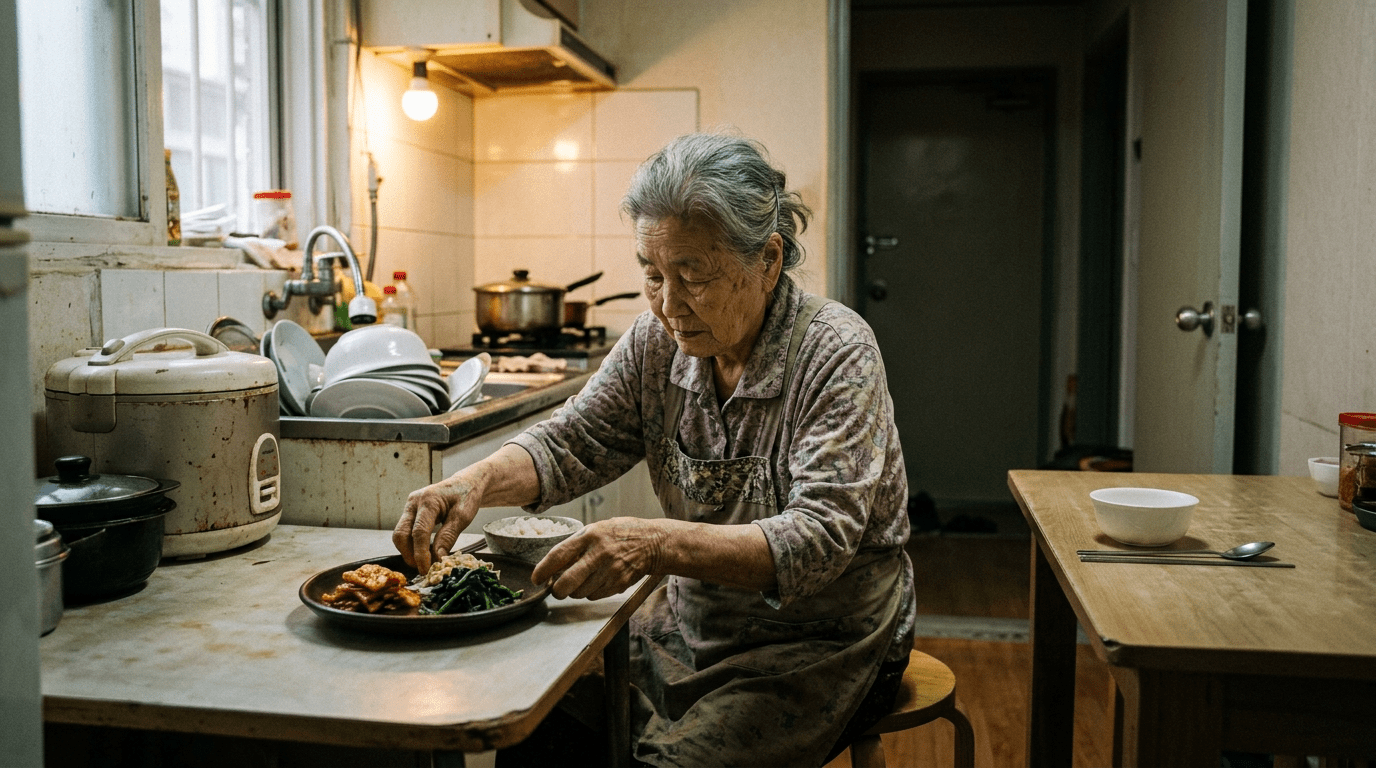
• Some situations involve 90-year-old parents caring for their 60-year-old children
A representative from the support organization emphasized that “while many assume this issue primarily affects young people, the reality shows it extends far beyond youth.”
The “8050 Problem” Deepens
This aging trend isn’t new. Earlier government research found that people in their 40s account for roughly 40% of all hikikomori cases. Experts warn that the “8050 problem”—where parents in their 80s support children in their 50s—will likely worsen in coming years.
National estimates suggest there are about 1.46 million socially withdrawn individuals between ages 15 and 64. Additionally, more than a quarter of all cases involve people aged 60 or older who withdrew after retirement.
From Youth Issue to Lifelong Challenge
Initially viewed as a teenage and young adult phenomenon, social isolation has evolved into a structural problem spanning generations. The pattern began accelerating after Japan’s economic bubble burst in the 1990s. Young people who became isolated then have now aged into middle age and beyond, creating an expanding population of older recluses.
In response, Japan enacted the Loneliness and Isolation Countermeasures Promotion Act in 2023, which took effect in April 2024.
South Korea Faces Similar Crisis
South Korea is experiencing comparable challenges. Government surveys estimate that 300,000 to 400,000 young adults aged 19 to 34 live in social isolation nationwide.
A separate study focused on Seoul found that approximately 130,000 young people—about 4.5% of the city’s youth population—are isolated or withdrawn.
Specialists note these figures are unprecedented even by Japanese standards, and caution that South Korea may follow a similar trajectory if preventive measures aren’t strengthened.