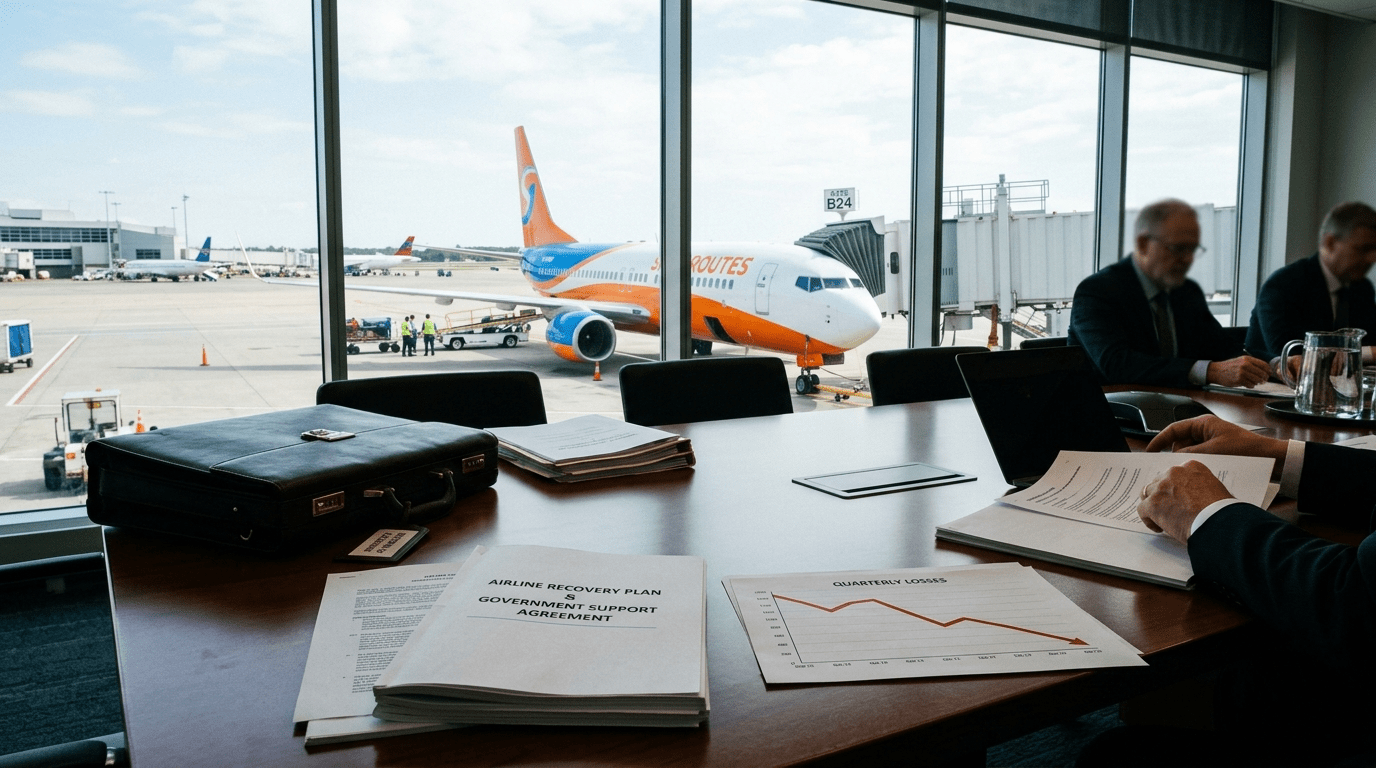
Federal Government Considers Taking Stake in Struggling Budget Carrier
The President announced that the administration is exploring options to support Spirit Airlines, which has been facing significant financial challenges. Officials are reviewing possibilities that include providing emergency funding or acquiring an ownership position in the carrier.
According to statements made to reporters, the government could potentially take control of the airline—which operates quality aircraft and valuable assets—with minimal debt burden. The strategy includes the possibility of reselling the carrier once fuel costs decrease, which could generate returns while preserving employment for airline workers.
Reports indicate discussions are underway regarding a financial package worth approximately $500 million to assist the budget airline.
Background on the Airline’s Financial Troubles
The carrier’s financial position deteriorated sharply after a proposed merger with JetBlue was blocked by the previous administration. Revenue declined while operating costs climbed, forcing the company into bankruptcy protection proceedings twice in recent years.
The airline successfully negotiated with creditors to reduce billions in debt and lower operational expenses. However, recent geopolitical events caused aviation fuel prices to spike dramatically, intensifying the financial strain.
Industry Concerns and Precedent
Federal equity investment could provide a critical lifeline for the troubled carrier. However, direct government intervention to save an individual airline is highly unusual and may trigger objections from competing airlines also struggling with elevated fuel costs.
Several major carriers have already revised their financial outlooks downward or withdrawn annual projections entirely due to market pressures. One airline CEO recently discussed potential consolidation with a competitor during meetings with administration officials, though the proposal received a cool reception.
The current administration has previously used equity stakes as a support mechanism—acquiring significant positions in semiconductor manufacturers and rare earth mining companies, and securing special voting rights in steel production firms to maintain strategic oversight.